

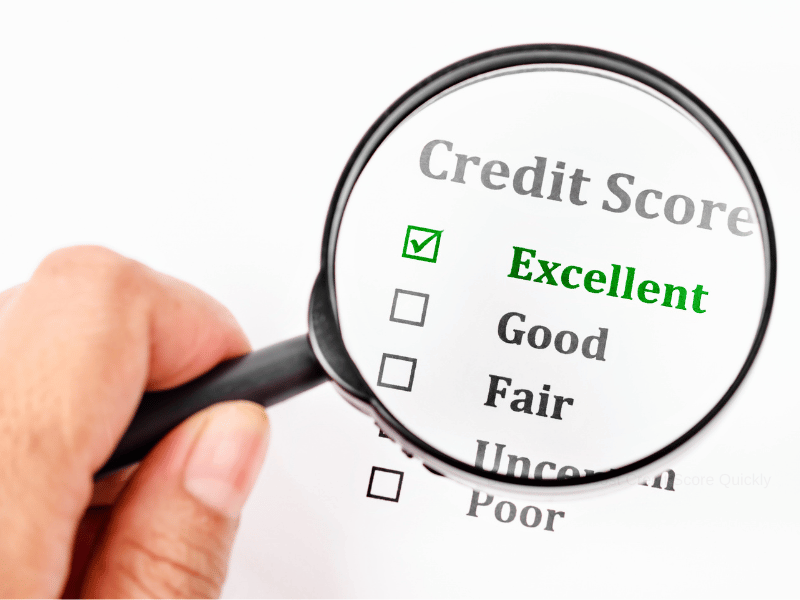
Struggling to build credit can feel frustrating. Maybe you have a thin credit file, limited history, or high credit card balances holding you back. The problem compounds quickly: low credit scores lead to higher interest rates and fewer opportunities exactly when you need them most. The good news is that building credit is entirely possible with the right approach. By combining several proven tools and strategies, you can steadily improve your score and move toward long-term financial freedom.
Table of Contents
Why Building Credit Matters
Your credit score affects far more than credit card approvals. It influences loan decisions, interest rates, and even rental and insurance options. A strong FICO score signals to lenders that you know how to manage credit responsibly. With good credit, you may qualify for better rates, higher limits, and more flexible lending terms. Weak credit, on the other hand, makes lenders view you as a risk. That’s why building credit should be treated as a long-term habit, not a one-time fix.
Start With Your Credit Report
Before choosing any method, review your credit report from the major credit bureaus. These reporting companies collect your credit activity to build your file, tracking factors like payment history, credit card accounts, installment credit, hard inquiries, credit utilization, and length of credit history.
Look carefully for errors. A late payment, incorrect balance, closed account, or duplicate entry can appear by mistake. If you find mistakes, dispute them immediately. Cleaning up your report is often the fastest way to give your score an early boost.
Make On-Time Payments Your First Priority
Payment history is the single most important part of your FICO score. Even one late payment can hurt your score and linger on your report for years. The best protection is making on-time payments every month.
Automatic payments help you avoid missed due dates across your credit card, secured card, credit builder loan, and other accounts. Even paying the minimum on time beats missing a payment entirely. Consistent on-time payments show the bureaus you’re reliable and help you build stronger habits over time.
Keep Your Credit Utilization Low
Your credit utilization ratio compares your card balances to your total credit limits. If you have $1,000 in limits and $500 in balances, your utilization is 50%. A lower ratio is generally better, and many experts recommend staying under 30%, though lower is stronger still.
Paying down balances improves your profile and shows lenders you aren’t overly reliant on borrowed money. When possible, pay your balance in full each month to avoid interest while keeping your activity positive.
Use a Secured Credit Card
A secured credit card is one of the most common entry points to building credit. It requires a refundable deposit that usually becomes your credit limit. Deposit $300, and you typically get a $300 limit.
Use it for small purchases and pay the balance on time each month. This creates positive activity and builds history. Secured cards work best when you keep balances low and avoid unnecessary debt. Over time, some issuers let you upgrade to an unsecured card.
Consider a Credit Builder Loan
A credit builder loan offers another useful path. Rather than giving you the money upfront, the lender holds the funds in a savings account while you make monthly payments, releasing the money once the loan is paid off.
This installment credit improves your credit mix—the variety of account types in your file. A healthy mix of revolving credit (cards) and installment credit (loans) strengthens your profile. Just confirm the lender reports to the major bureaus.
Become an Authorized User
Becoming an authorized user on an established account is one of the fastest ways to build credit. The account’s positive history may appear on your report, depending on how the issuer reports. This can strengthen several factors at once: length of history, available limits, and utilization.
The quality of the account matters enormously. Look for tradelines with long history, low utilization, and excellent payment records. Poorly chosen tradelines can be ineffective or even harmful. For a more guided option, Coast Tradelines offers access to vetted authorized user tradelines, taking the guesswork out of selecting accounts that may genuinely help.
Avoid Too Many Hard Inquiries
Each credit application can trigger a hard inquiry, temporarily lowering your score. One or two won’t hurt much, but several in a short window make you look risky. Be selective, and apply only for credit that matches your current situation.
Build Better Credit Habits
For anyone wondering whats the best way to build credit, the answer usually lies in combining several responsible habits rather than relying on a single tactic. The best way to build credit isn’t a single action—it’s a combination of smart habits repeated over time: paying on time, keeping balances low, checking your report, and borrowing responsibly. Sometimes the wisest move is not taking on new debt.
What’s the Best Way to Build Credit?
Combine proven methods. Start with your report, dispute errors, then focus on on-time payments, low utilization, a secured card, and a credit builder loan. To accelerate progress, consider becoming an authorized user on a high-quality tradeline through Coast Tradelines. With the right strategy, better credit becomes one of the most important steps toward financial freedom.