

The school bag is packed, the tiny shoes are by the door, and you’re lying awake. Will she cry when you leave? Will he eat lunch? Will anyone notice if something is wrong?
If this sounds familiar, you’re not alone. Handing your little one to someone else for the first time is one of the biggest emotional moments in parenting, and balancing work, home and worry can leave you exhausted.
These worries are not a sign that you’re being overprotective. They show how deeply you care, and they point to the three questions that matter most in early education: Is my child safe? Is my child happy? Will my child be ready for what comes next? The good news is that with the right environment and a supportive transition, most children gradually become secure, confident, and genuinely happy in preschool.
Table of Contents
Why Do Parents Worry So Much About Preschool?
For a young child, preschool is the first time away from familiar faces and routines. For parents, it means trusting new people with the most precious person in their lives.
Children and parents are both adjusting at once. Children pick up on your feelings, so a calm, confident goodbye helps them feel secure. And the best preschool in Noida understands that they are partners with the family, not replacements for it. Young children learn by watching, asking questions and building warm relationships with caring adults, so who is with your child each day matters as much as what is on the timetable.
The Three Big Questions, Answered
- Will My Child Be Safe?
Safety is more than locked gates. When visiting a play school in Noida, look for:
- Clear drop-off and pick-up procedures, with only authorised adults collecting children.
- Attentive supervision and sensible staff-to-child ratios.
- Clean, child-proofed spaces, hygiene routines and a plan for allergies and minor injuries.
- Staff who know each child by name and notice when something is off.
- Emotional safety matters just as much. A child who feels listened to is more likely to speak up when they are worried.
- Will My Child Be Happy?
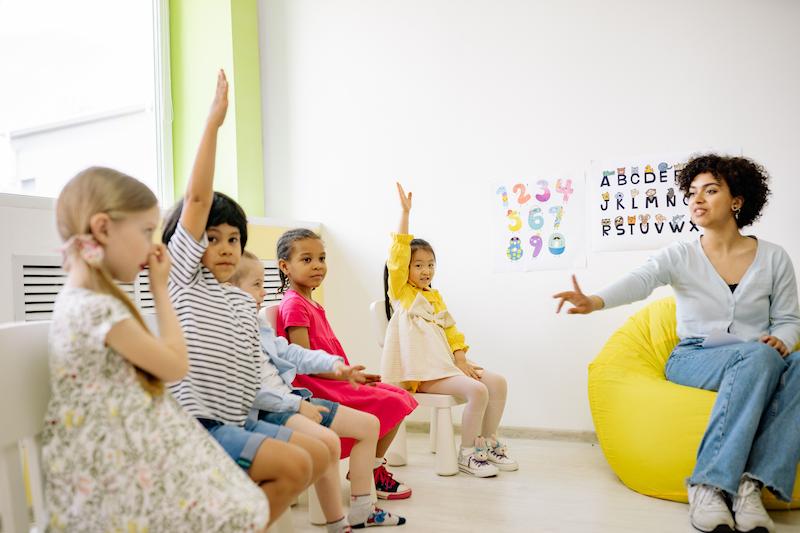
A happy preschooler is one who feels they belong. Signs of a nurturing environment include:
- Educators who greet children warmly and get down to their eye level
- Plenty of play, music, stories and movement, not just worksheets
- Gentle support for tears and separation anxiety, rather than hurrying children past their feelings
It is normal for a child to cry at drop-off for days or even weeks. What matters is how adults respond and whether your child gradually settles.
- Will My Child Be Ready for School?
School readiness is not about reading at age four. It is about building the foundations that make learning possible:
- Language and communication: expressing needs, listening and asking questions
- Social skills: sharing, taking turns and making friends
- Independence: managing a bag, a bottle and toilet routines
- Curiosity and focus: exploring, trying again and staying with a task
These skills grow through play, conversation and hands-on discovery, not pressure.
How to Prepare Your Child (and Yourself)
You may be tired, and that’s understandable. A few small steps go a long way:
- Visit together first: Meet the teachers, see the classroom and let your child explore.
- Ask the school real questions: How do you handle separation, accidents, allergies and communication with parents?
- Practise the routine: Adjust sleep times, try the lunchbox and talk about the day ahead in simple, cheerful words.
- Read stories about starting school: Books give children language for big feelings.
- Keep goodbyes short and loving: A hug, a smile and a clear “I’ll be back after lunch” works better than a long farewell.
- Ask about the day gently: Try “What was the best part?” instead of “What did you learn?”
Common Phrases and Habits to Avoid
No parent says everything perfectly, especially on a rushed morning. But a few habits can accidentally raise a child’s anxiety:
- “Don’t cry, you’re a big boy/girl.” It tells children their feelings are wrong. Try “I know it’s hard. I’ll be back soon.”
- Sneaking away while they’re distracted. It can damage trust and make the next goodbye harder.
- “If you’re naughty, the teacher will scold you.” It makes school sound like a place to fear.
- Showing your own worry at the gate. Children read faces. A calm smile helps them feel safe.
- Comparing your child to others. Every child settles and learns at their own pace.
If one of these slips out, there’s no need to feel guilty. A warm word that evening repairs it.
Choosing a Preschool That Feels Right
In the end, the best preschool for your family is the one where your child feels safe, happy and curious, and where you feel heard. Trust your instincts while evaluating a preschool near me that shapes each school day. That sees their role as guiding both children and parents through these early learning years. That welcomes your questions, shares regular updates about your child’s day and works alongside you so that every child steps into school with confidence.
Don’t forget to talk through your worries, big or small, because one right decision during your child’s early years can lay a strong foundation for life.